Continued from Part 1

Diagnosis and treatment planning for bone defects and furcation involvement

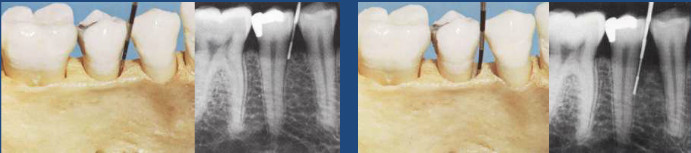
2012 04 05 223231 Bone Defects and Furcation Involvement Part 2 Careful radiographic or x-ray examination is done but it may not reveal the presence of a bone defect or its precise morphology.
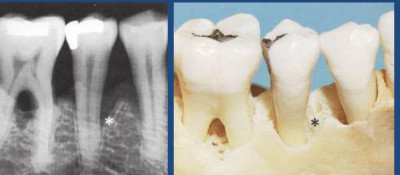
Direct examination of bone morphology:

  • Lift a full thickness mucoperiosteal flap
  • Granulations are curetted and root surfaces planed clean
  • Alveolar crest examined, morphology of bone defect can be defined
  • Mode of treatment decided Continue reading


Our mouth is constantly bathed in saliva and is exposed to the passage of food, the oral flora and many other stimuli considering the variety of objects that people put in their mouths such as cigarettes, pipes, hair-grips and so on. Nevertheless, our mouth has a remarkable ability to resist and adapt according to these stimulations. Our teeth are also exposed to the same factors and they can be covered wholly or in part by food debris, soft and hard deposits.


Dental Plaque, the main cause of Dental Caries

Dental Plaque is a soft but adherent deposit of bacteria and their products, which forms on all tooth surfaces and other objects in the mouth, for example; fillings or dentures. This Plaque formation is a natural, physiological process and is an example of a biofilm, which means it is not a haphazard collection of bacteria but a complex association of many different bacterial species living together in a single environment. For instance, a newborn baby’s mouth is sterile but within a few hours, microorganisms appear; mainly Streptococcus salivarius. By the time the baby had his/ her first tooth out, a complex flora is established.


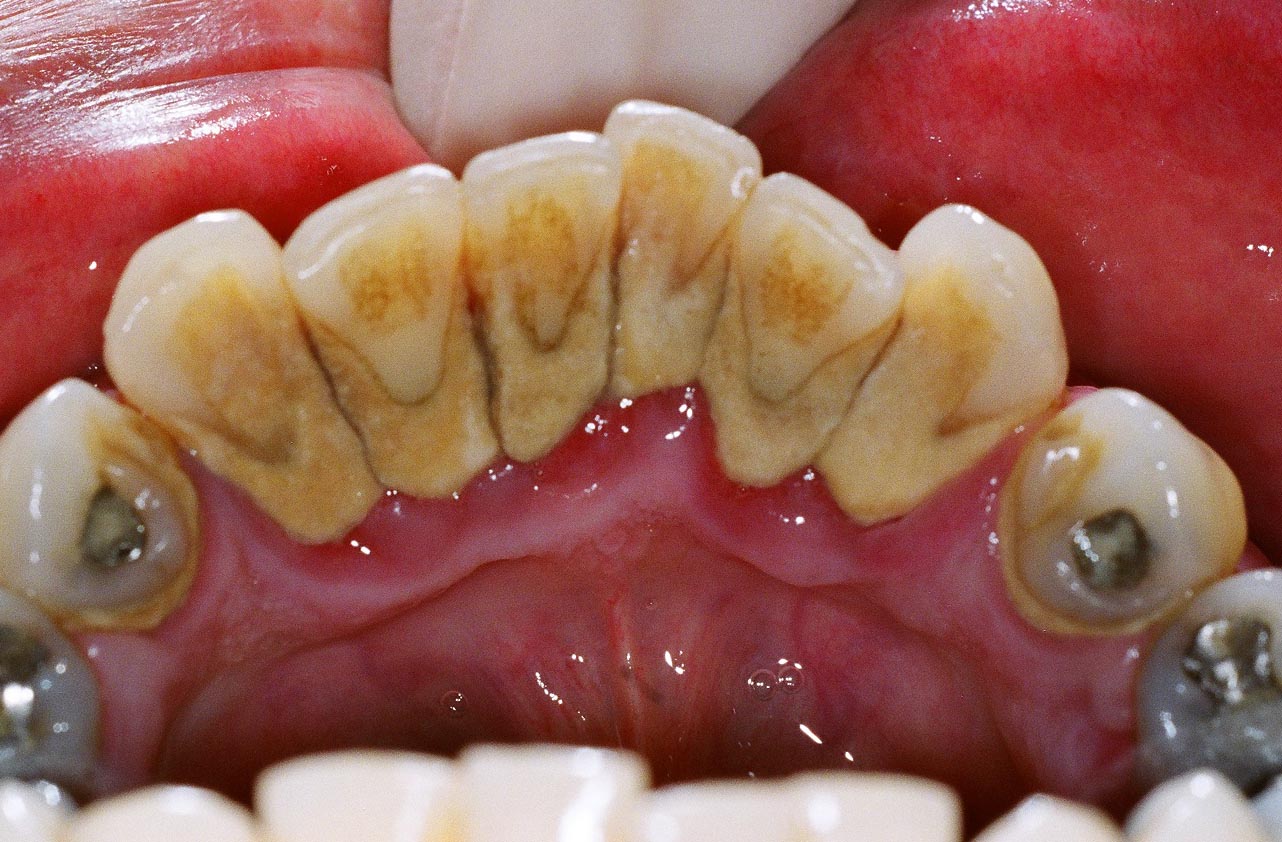
Basically, Dental Plaque is scarcely visible in thin layers and it can be revealed only by the use of a Plaque-Disclosing Agent. In thick layers, it can be seen as yellowish or grey deposits which cannot be removed with mouthwashes or by irrigation but can be brushed off. It is usual to find it on areas which are difficult to reach by tooth brushing, for example; in between teeth or in severely crowded teeth. When Dental Plaque calcified or mineralized, it will become Dental Calculus or commonly known as Tartar. It is a ‘stony crust’ that forms on teeth and has long been associated with Gums Disease. Having said that; Dental Plaque is the main cause of dental caries.


dental plaque 5 Is Dental Plaque the Main Cause of Dental Caries?

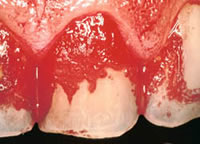
Dental plaque (in red) visible through plaque disclosing agent


plaque 300x197 Is Dental Plaque the Main Cause of Dental Caries?

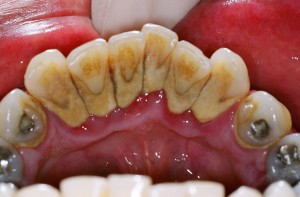
Dental calculus/ tartar


Continue reading


Midface dysplasia is a cardinal characteristic of persons with Down Syndrome (DS). Nose malformations including a flat broad bridge of the nose has been reported in 59-78% of these individuals. Ear malformations, including “lop” ears, low-set ears and ears with a flat or absent helix have been reported in 54%. Eye malformations are common. Epicanthal folds with slanting almond-shaped eyes (narrow palpebral tissue slanting toward the midline), which was responsible for the term mongoloid, are reported in 78%. Strabismus (cross eyes) is reported in 14-54% and nystagmus (constant involuntary cyclical movement of the eyeballs) and refractive errors are also common. The majority of persons with Down Syndrome exhibit brachycephaly (broad, short head) and lack of supraorbital ridges and hypotelerism (secondary to hypoplasia of the central face) are common findings. Absence of frontal sinuses and absent or reduced maxillary sinuses have been reported. Nasal septum or nasal conchal deviations are often observed which can produce a partially obstructed or narrow air passage and can contribute to the problem of mouth breathing. Continue reading


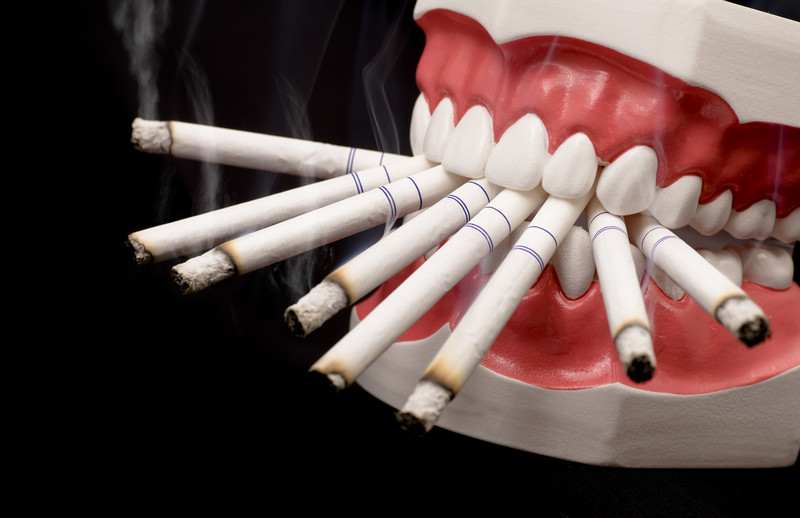
smoking is injurious to your teeth 300x194 How Does Smoking Affect Your Gums Part 1

© englewooddentalblog.com

Smoking is a major hazard to health and promotes many diseases. In addition to nicotine (one of the most heavily used addictive drugs), cigarette smoke is composed of dozen gases (mainly carbon monoxide) and tar as well as almost 4000 other compounds which causes cancer are present. The ingredients of tobacco products affect not only our body directly, but also the people around us indirectly. Many of our organs succumb to the side effects of smoking, including our gums. Continue reading