What is an Abscessed Tooth?

A tooth or dental abscess is a localized collection of pus in a sac formed by disintegration of purulent material from a bacterial infection. Invasion of bacteria which cannot be drained results in abscess. An abscessed tooth can be further classified into periapical, periodontal or gingival abscess depending on its location in the oral cavity.

  • Periapical abscess: located at the apex of an  infected tooth surrounding the roots. Continue reading

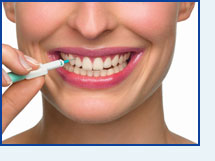
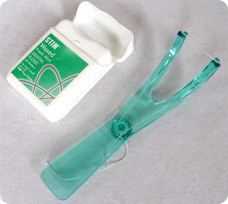
interdental Flossing Alternatives: Inter dental Devices Part 1

© curaden.ch

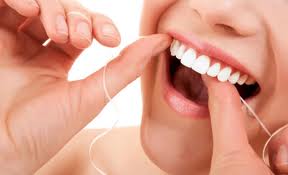
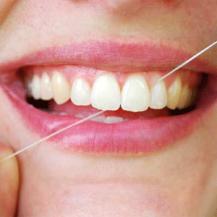
Flossing is encouraged to be part of one’s oral hygiene regime but there is no universally accepted oral hygiene device. The appropriate oral hygiene regimen is determined according to the dictates of the oral condition, personal preferences, dexterity, and lifestyle. Inter-dental devices are alternatives to dental flossing however adequate instruction in the use of any recommended device must be provided. Continue reading


The following program, when followed nightly, can aid in the prevention of plaque, tooth decay and gum disease.


Dry brushing. The first step is brushing every tooth with a dry toothbrush at the gum crevice, both on the inside and on the outside of teeth. Hold the brush at a 45-degree angle to the teeth and slide the bristles closest to the inside of the upper lip under the gum. Vibrate the brush, making sure the tips of the bristles rotate under the gums (rather like scrubbing the cuticle of a fingernail). Use about ten quick rotations of the brush per tooth, trying not to lift the brush at any point (it’s been found that a person invariably lifts the brush on the same teeth time after time, and those teeth never get the right amount of cleaning). On the inside of the front teeth, hold the brush like a lollipop, parallel to the teeth, and brush with the tip, making sure the bristles slip under the gum. If you want to make sure the bristles get under the gum, bite the brush gently and you’ll force the bristles up. Continue reading


The process of using ceramic materials to replace or repair teeth is not new. According to the Indiana University School of Dentistry, the first porcelain denture tooth was introduced in 1789. Of the materials used today for tooth restoration, ceramic porcelain comes closest to duplicating the color and translucency of natural teeth. Ceramic teeth are, however, more expensive than other materials and can add up to a major investment. Protect your investment and help your ceramic teeth last longer by cleaning them properly. Continue reading