Category Archives: Oral Care

Common Inflammatory Disease of the Jaw Bone

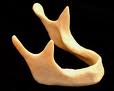
jaw boneInflammatory Disease of the Bone

Inflammation is a protective tissue response to injury or destruction of tissues, which serves to destroy, dilute, or wall off both the injurious agent and the injured tissues. The classical signs of acute inflammation are pain (dolor), heat (calor), redness (rubor), swelling (tumor), and loss of function (functio laesa). Continue reading

Post tooth extraction complications

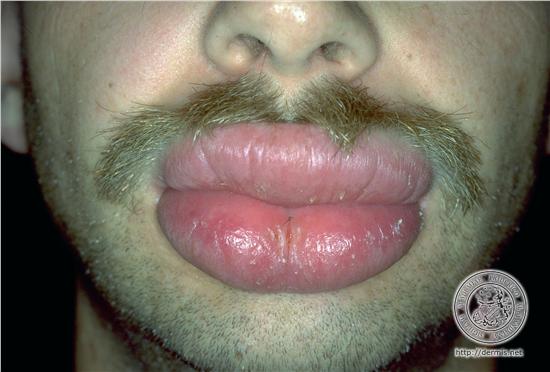
edemaFacial Edema (swelling)

Many surgical dental extractions results in extraction complications like facial edema or facial swelling after surgery. Routine extractions of a single tooth will probably result in swelling that the patient can see, whereas the tooth extraction of multiple impacted teeth with the reflections of soft tissue and removal of jaw bone may result in moderately large  amounts of facial swelling. The facial swelling usually reaches its maximum size 24 to 48 hours after the surgical extraction procedure. The facial swelling begins to subside on the third or fourth day and is usually gone by the end of the first week. Increased swelling after the third day may indicate jaw infection at the surgical tooth extraction site. Continue reading

Oral Health Pt 3: Importance of saliva

Continued from Pt 2

Saliva and oral health

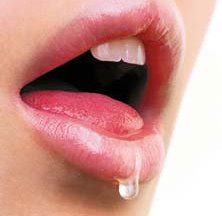
Saliva is an integral part of oral health and many people do not actually realise the importance of saliva has in our mouth. The role of saliva is often underplayed due to lack of awareness. Saliva has many important functions and it is unfortunate that most people would only realise this when they have a chronic case of xerostomia or dry mouth, which is often hard to manage as treatment available involves mainly palliative care rather than a cure.

Function of saliva

There are three major salivary glands found in the mouth, along with many more minor ones. Each of the major salivary glands produces slightly different quality of secretion, some being more watery and others with a thicker consistency. All these secretions are combined together in the mouth to form saliva.  Saliva consists of mainly water (95%), enzymes, salivary proteins and ions.  Continue reading

Management of bleeding after a tooth extraction

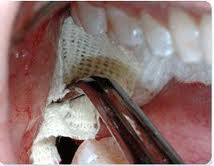
tooth extractionIntroduction to the management of tooth extraction bleeding

Many patients do not know what to expect after having there tooth extracted at the dentist. Some panic when they see some blood on their mouth whereas some do not even bother if they bleed out profusely. This is a simple instruction guide for patients to follow so that they can manage the bleeding at the surgical tooth extraction site. Continue reading

Management of pain and promotion of healing after a tooth extraction

tooth extractionManagement of post surgical tooth extraction pain

All patients should expect a certain amount of tooth extraction pain after a surgical dental extraction. Therefore, it is important for the dental surgeon to discuss this issue carefully with each patient before discharging them from the office. The surgeon will have to help the patient to have a realistic expectation of what type of pain that may occur and the intensity of the pain as well. Continue reading

Oral Health Pt 2: Effects of toothbrushing, dietary sugars and acids

Flickr Toothbrush (36th/52)

Toothbrushing improves oral health

Continue from Part 1

What affects oral health?

The obvious answer would be oral hygiene care. Importance of tooth brushing cannot be stressed enough and the quality, rather than the quantity matters more. While most people brush two, some even three times a day, the truth is that it does not necessarily prevent you from dental problems such as dental decay or gingivitis especially if you are not brushing appropriately. Having a good tooth brushing technique is crucial to good oral health as being able to remove plaque effectively is directly related to the state of your mouth. In fact, some people with very good tooth brushing technique and reasonable sugar intake are actually able to get away with just brushing once a day without developing any dental problems. The only reason that dentists are advocating their patients to brush twice a day being most people of the population will fail to remove plaque adequately and requires that extra kick to help maintain oral health at good levels. Continue reading

Oral Health in relation to Dental Decay and Gum Disease

oral healthWhat is Oral Health ?

Oral health encompasses the health of our oral cavity. Our oral cavity (mouth) consist of our teeth and oral mucosa mucosa (gums). The health of our teeth is commonly compromised by bacteria which causes dental decay. Dental Decay is a dynamic process and it occurs due to a combination of a bad diet, insufficient oral hygiene care and bacteria in our mouth.

Continue reading

How Diabetes Can Affect Your Oral Health Part 3

Continuation of Part 1 and Part 2

© Topnews.in

Diabetes and periodontal (gum) disease

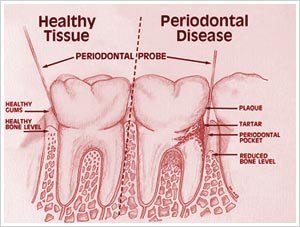
Examination of the mouth may reveal conditions common in poorly controlled diabetes. Diabetes has long been considered an important factor that influences the risk of periodontal diseases (gingivitis and periodontitis). Compared to non-diabetics, the prevalence and severity of periodontal diseases are increased in individuals with both type 1 and type 2 forms of diabetes. Individuals with diabetes are up to 3 times more likely to have gum attachment loss and bone loss than non-diabetics. For diabetics older than age 40, severity of periodontal disease increases with years of disease duration and the risk of losing all your teeth is 15 times greater in diabetic population then the non-diabetic. Continue reading

How Diabetes Can Affect Your Oral Health Part 2

Continuation of Part 1

© get-health-smart.com

A visit to the dentist

Every dental office will treat anyone having diabetes mellitus (DM). On your first visit, you will be asked to fill out a personal medical and dental history for the use of the dentist. Any critical information pertaining to diabetes should be added to the medical and dental history record, which would include information on dosage, time schedules, method of administration, previous adverse experiences with insulin control, number of hospitalizations, and physician recommendations. A good rapport with your dentist is necessary to treat any complications in your mouth.
Continue reading

How Diabetes Can Affect Your Oral Health Part 1

© just-diagnosed-diabetes-mellitus.com

Diabetes mellitus (DM), one of the most widespread diseases, is a common endocrine disorder that affects an estimated 16 million Americans and these numbers are increasing substantially. Individuals with diabetes face shortened life spans and have the probability of developing acute and chronic health complications. Only heart disease and cancer kill more Americans than diabetes and its complications.

Probably at least 50% of diabetics with mild or early disease pass unrecognised and this proves most unfortunate since early and continued treatment can help prevent some of the disastrous consequences of DM. These consequences can range from blindness, to amputations of limbs, gum disease, kidney failure, high blood pressure, nerves disorders, heart disease and a large reduction in the quality of life. The mouth is also part of the many parts of the organs of the body affected by DM.

Before we continue on to the main topic on how diabetes can affect your oral health, let us lay down some facts about the endocrine disorder. Continue reading