© automotive-res.com
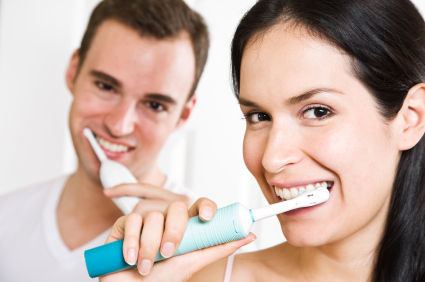
Don’t you enjoy the refreshing feeling in your mouth after you have brushed your teeth? Sure, cleaning your teeth keep your smile bright and your breath fresh but a proper oral hygiene does more than you think it does.
Why should I have good oral health?
Having a good oral health can be defined as having comfortable and functional teeth that allows you to continue your social role. For those who think in terms of economic benefits and enjoyment of life, prevention pays. How so? If preventive programs are started early (preferably in young children), being free from plaque diseases for a long period is possible. Does it not make a sound cost-benefit investment? Â After all, you need your teeth over a lifetime for eating which also contribute to providing good nutrition to the body for all ages. The presence of teeth greatly improves your speech and a pleasant smile enhances expression of your personality. At rare times, you can even use your teeth as a means of self-defense. On the other hand, the missing or broken-down teeth often results in a loss of self-esteem, minimizes employment possibilities and often affects your social interaction.
How do I prevent poor oral health?

© Bad Breath Blog
Oral disease is one of the most prevalent problems throughout the world. Tooth decay and gum disease represent most of the problem but complete tooth loss, oral cancer, trauma to the mouth, malocclusion and facial anomalies also contribute. This high prevalence of oral disease has the greatest effect on disadvantaged populations that have limited access to dental health care. However common modifiable risk factors provide opportunities for reducing this burden.
There are three levels of preventive measures.
- Primary prevention consists of interventions to prevent the onset of disease or injury. This level is a major focus of oral health care. Examples of such actions include oral health programs based in schools that encourage abstinence from tobacco use, using mouthwash and dental floss for to prevent gum diseases and using a mouth guard to prevent sports-related injury.
- Secondary prevention consists of interventions designed to stop or minimize the progression of early disease while the person is generally show no symptoms. For example when your dentist gives you chair side oral hygiene instruction when you have mild gum disease and when they apply desensitizing agents for sensitive teeth.
- Tertiary prevention consists of interventions to prevent disability and to improve or restore function and prevent further deterioration. An example is the fabrication of dentures to replace missing teeth in the mouth.
Our main focus should be on primary prevention for as the saying goes, prevention is better than cure. Besides avoiding the need to fork out large sums of money for tooth fillings and prosthesis, practicing good oral hygiene not only keeps your teeth and gums in good shape but you are also contributing to your overall health and well-being.
How to take control over your oral health
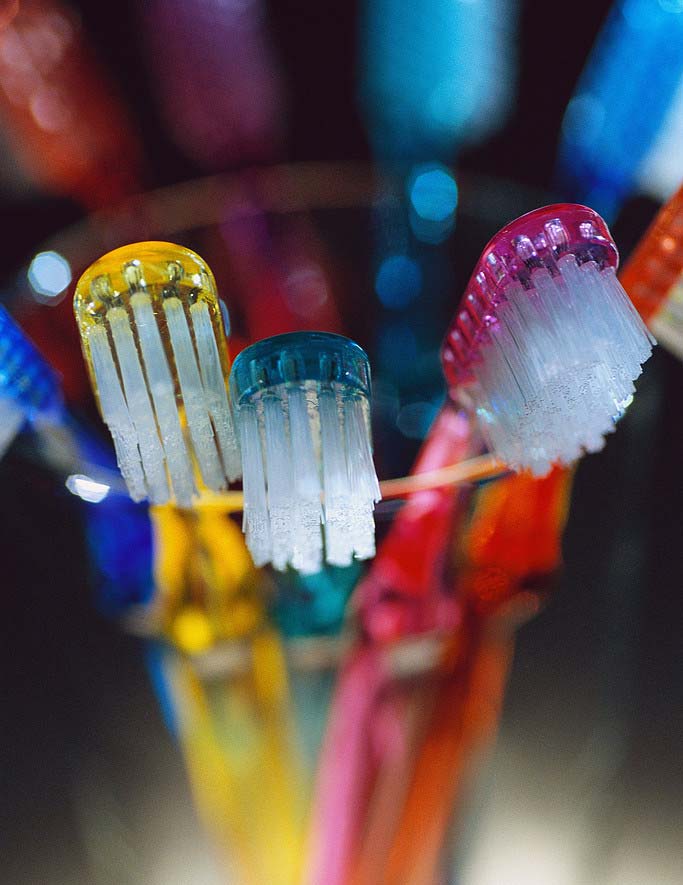
- Brush thoroughly twice a day (preferably in the morning and before bed) using a soft bristled toothbrush and clean between teeth daily in areas where your toothbrush can not reach – The reason we brush and floss is to remove a colorless film that constantly forms on the teeth called plaque. Plaque is one of the main causes of tooth decay and gum disease. Major conditions of gum disease can be reduced by regular toothbrushing with fluoride toothpaste. The fluoride in toothpaste serves to prevent, control and arrest tooth decay. Excess toothpaste is preferably spit out rather than rinsed with lots of water. Children between 3-6 years old should use no more than a pea-sized amount of toothpaste.
- Replace your toothbrush every 3 months or sooner if the bristles begin to look worn out – A worn toothbrush would not be able to clean as efficiently as a normal one.
- Eat a well-balanced diet and restrict sugar-containing foods to mealtime –Reducing the amount and frequency of sugary food intake can reduce tooth decay and could help control weight. Having a healthy diet keeps your gums healthy and strengthens your immune system. If you are on medications, make sure your medicines are sugar-free.
- Cut down on carbonated soft drinks – Many soft drinks contains acid that can damage the tooth enamel. Avoid frequent intake of acidic foods or drinks and do not brush immediately after eating or drinking acidic foods or drinks.
- Do not smoke or use tobacco and avoid alcohol abuse – Smoking and alcohol drinking are the man casual factors of oral cancer. When both products are used the risks are multiplied. Smoking also increases the risk of gum disease and reduces the healing ability of the gums.
-
© get-health-smart.com
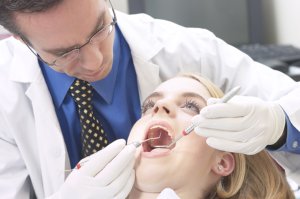
Visit your dentist regularly (at least twice a year) for a professional cleaning and examination of your mouth – Plaque can build up in areas where your toothbrush can not reach and will then harden to form tartar or calculus which can only be removed by your dentist. Regular dental checkups can allow early detections of oral diseases and enable treatment to be done as soon as possible.
Pingback: Changes in Your Mouth During Pregnancy | Intelligent Dental
Pingback: Got A Hairy Tongue? | Intelligent Dental
Pingback: Chronic Adult Periodontitis: Treatment and Prevention | Intelligent Dental
Pingback: Wisdom Tooth Pain (Pericoronitis) | Intelligent Dental
Pingback: Avoiding Trench Mouth | Intelligent Dental
Pingback: Does Mouth Wash really work? | Intelligent Dental
Pingback: Causes of Red, White or Pigmented Gums | Intelligent Dental
Pingback: 10 Ways to Stop Bad Breath | Intelligent Dental
Pingback: How Diabetes Can Affect Your Oral Health Part 1 | Intelligent Dental
Pingback: Oral Health and Dental Decay | Intelligent Dental
Pingback: Top 10 foods or drinks that strengthen tooth enamel naturally | Intelligent Dental
Pingback: What is Oral Pyogenic Granuloma? | Intelligent Dental
Pingback: How to Clean a Baby's Tongue | Intelligent Dental
Pingback: Dental Assistant Guide to Root Canal Treatment | Intelligent Dental
Pingback: How to Use Tea Tree Oil for Dental Health | Intelligent Dental
Pingback: What is Ligature Wire for Adult Braces? | Intelligent Dental
Pingback: Opalescence Tooth Whitening System | Intelligent Dental