Author Archives: oileng

Why is there Bad Breath after Tonsillectomy?

© KidsHealth

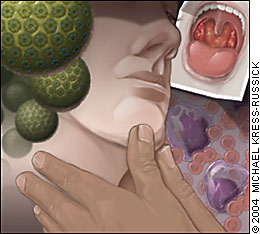
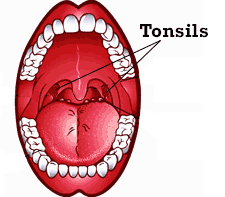
The tonsils play a small role in fighting infections in our body but they can be a source of infection and obstruction for both adults and children, and are responsible for a significant number of childhood diseases. An infection of the tonsils is called tonsillitis and it is mostly seen in children and young adults. Serious infection of the tonsils can cause some problems and tonsillectomy may be needed to rectify them.

What is tonsillectomy?

Tonsillectomy is a surgery to remove the tonsils which are located on either side of the back of the throat. Tonsillectomy is needed when the tonsils become infected frequently (tonsillitis). In many cases, tonsillectomy may be a more effective and less costly treatment than extended or repeated treatments for an infected throat. Tonsillectomy in children is one of the more common surgeries performed on children but the surgical procedure is done less often in adults. However tonsillectomy is only considered when other treatment methods are not effective as some tonsillitis cases can be cured without the need for surgery. Continue reading
What is Oral Pyogenic Granuloma?

oral pyogenic granuloma

Pyogenic granuloma

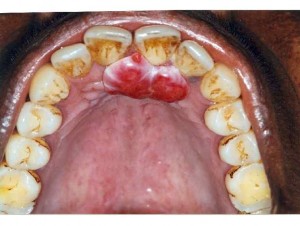
Oral pyogenic granuloma is a relatively common lesion that appears in the mouth as an overgrowth of oral tissues. Often also known as “Granuloma gravidarum” and “Pregnancy tumor“, it can be found elsewhere on the surface of skin and involve the septum of the nose.

The term “pyogenic granuloma” is misleading because it is not a true granuloma. It was originally applied because the identical lesion on skin was thought to be a reaction to infection by pyogenic (pus producing) organisms. In actuality, it consists of many dilated blood vessels in a loose swollen connective tissue stroma, which is often quite prone to bleeding. Continue reading

Top 10 foods or drinks that strengthen tooth enamel naturally

© WebMD

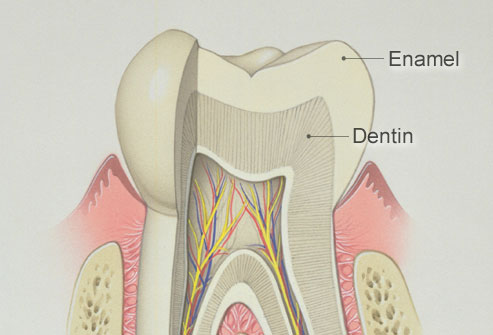
Tooth enamel is the hardest and most highly mineralized substance in our body; however it does not mean that it is immune to its surroundings. Nutrition, diet and oral health are closely linked to each other. You need healthy teeth to chew and take in nutrition from food, and nutrition is essential for the growth, development, and maintenance of the structures and tissues in the mouth. Continue reading

How Diabetes Can Affect Your Oral Health Part 3

Continuation of Part 1 and Part 2

© Topnews.in

Diabetes and periodontal (gum) disease

Examination of the mouth may reveal conditions common in poorly controlled diabetes. Diabetes has long been considered an important factor that influences the risk of periodontal diseases (gingivitis and periodontitis). Compared to non-diabetics, the prevalence and severity of periodontal diseases are increased in individuals with both type 1 and type 2 forms of diabetes. Individuals with diabetes are up to 3 times more likely to have gum attachment loss and bone loss than non-diabetics. For diabetics older than age 40, severity of periodontal disease increases with years of disease duration and the risk of losing all your teeth is 15 times greater in diabetic population then the non-diabetic. Continue reading

How Diabetes Can Affect Your Oral Health Part 2

Continuation of Part 1

© get-health-smart.com

A visit to the dentist

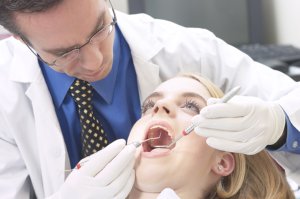
Every dental office will treat anyone having diabetes mellitus (DM). On your first visit, you will be asked to fill out a personal medical and dental history for the use of the dentist. Any critical information pertaining to diabetes should be added to the medical and dental history record, which would include information on dosage, time schedules, method of administration, previous adverse experiences with insulin control, number of hospitalizations, and physician recommendations. A good rapport with your dentist is necessary to treat any complications in your mouth.
Continue reading

How Diabetes Can Affect Your Oral Health Part 1

© just-diagnosed-diabetes-mellitus.com

Diabetes mellitus (DM), one of the most widespread diseases, is a common endocrine disorder that affects an estimated 16 million Americans and these numbers are increasing substantially. Individuals with diabetes face shortened life spans and have the probability of developing acute and chronic health complications. Only heart disease and cancer kill more Americans than diabetes and its complications.

Probably at least 50% of diabetics with mild or early disease pass unrecognised and this proves most unfortunate since early and continued treatment can help prevent some of the disastrous consequences of DM. These consequences can range from blindness, to amputations of limbs, gum disease, kidney failure, high blood pressure, nerves disorders, heart disease and a large reduction in the quality of life. The mouth is also part of the many parts of the organs of the body affected by DM.

Before we continue on to the main topic on how diabetes can affect your oral health, let us lay down some facts about the endocrine disorder. Continue reading

Infectious Mononucleosis: The Kissing Disease

© www.aafp.org

Viral infections are very common and readily transmitted through saliva and other body fluids. When there is close contact with other persons or their secretions and general hygiene is poor, viral infections mainly affect young children. However in developed countries, adults are non-immune and therefore, these infections are now being seen in adolescents and adults.

Infectious mononucleosis or glandular fever is caused by the Epstein-Barr virus (EBV), a member of the herpes group (human herpesvirus 4). It is transmitted by contact with saliva, especially by kissing, either from an infected person or a healthy carrier and occurs predominantly in teenagers and young adults. Continue reading

Why is Oral Health so Important?

© automotive-res.com

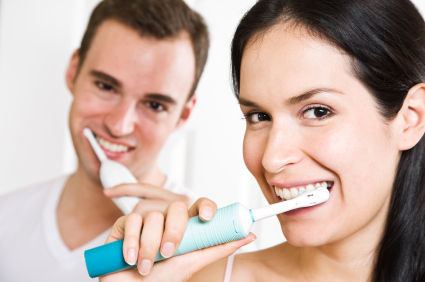
Don’t you enjoy the refreshing feeling in your mouth after you have brushed your teeth? Sure, cleaning your teeth keep your smile bright and your breath fresh but a proper oral hygiene does more than you think it does.

Why should I have good oral health?

Having a good oral health can be defined as having comfortable and functional teeth that allows you to continue your social role. For those who think in terms of economic benefits and enjoyment of life, prevention pays. How so? If preventive programs are started early (preferably in young children), being free from plaque diseases for a long period is possible. Does it not make a sound cost-benefit investment?  After all, you need your teeth over a lifetime for eating which also contribute to providing good nutrition to the body for all ages. The presence of teeth greatly improves your speech and a pleasant smile enhances expression of your personality. At rare times, you can even use your teeth as a means of self-defense. On the other hand, the missing or broken-down teeth often results in a loss of self-esteem, minimizes employment possibilities and often affects your social interaction. Continue reading

Deciding for ceramic dental implants

© CeraRoot

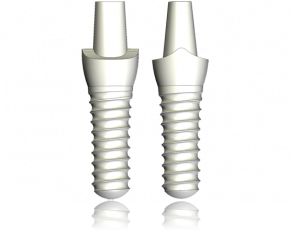
When you hear the word “dental implants”, an image of a metal screw automatically comes to mind but did you know that there are few types of dental implants? Dental implants are constructed from a range of materials such as titanium, stainless steel, titanium alloy and zirconium oxide ceramics.

Ceramic tooth implants, specifically known as zirconium or zirconia dental implants, are one of the newer forms of dental implants. Tooth-colored, compatible with our tissues, and made of the hardest stuff next to diamonds, it is of no surprise to hear that all ceramic dental implants are making their way to the U.S. after establishing themselves in the European market. Continue reading

Which is the Best Mouthwash for Gingivitis?

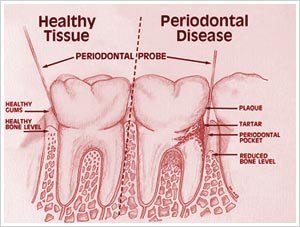
The term gum disease or periodontal disease includes both gingivitis and periodontitis. Gingivitis is the term used for the inflammation of gums. In gingivitis, the gum margins show signs of inflammation without gum recession or bone loss. Chronic gingivitis can be seen in most of the population and it is characterized by tender, swollen, red gums that bleed easily and may be responsible for bad breath in some cases. Gingivitis treatment includes the use of mouthwash but frankly, with the tremendous amount of mouthwashes available in the market, which is the best mouthwash for gingivitis? Continue reading