Author Archives: oileng

Dental Sealants Vs. Fillings in Pediatric Dentistry

© Bio Dental Care

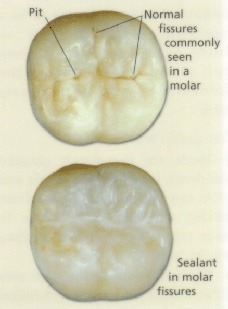
Parents or guardians play an important role in regard to a child’s diet and oral health habits. Newly emerged teeth are particularly vulnerable to dental decay. As teeth gets older and become more mature, the outer surface becomes harder and more resistant to acid attack.

Teeth are constantly being attacked by acid produced by plaque bacteria as well as acidic foods and drinks. Acids cause damage below the tooth surface, causing microscopic holes in the tooth. If the acid damage continues over a period of time, the tooth becomes so fragile that a hole becomes visible in the tooth. As the hole gets bigger, the tooth will need a filling. However dental sealants can be placed on your child’s teeth to prevent tooth decay from occurring if risk of decay is detected early. Continue reading
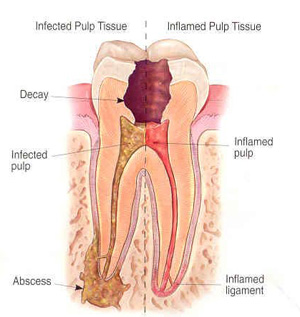
Wisdom Tooth Nerve Pain

© AllHealthSite.com

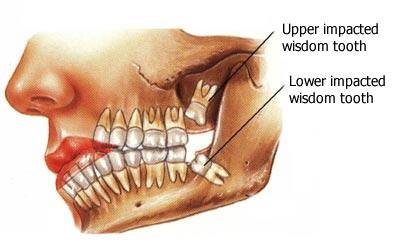
Wisdom teeth are a frequent problem for most people. Being the last tooth to develop and emerge from the mouth (normally between 18 to 24 years of age), wisdom teeth tend to have not enough room to erupt in the jaws which can cause them to be impacted.

An impacted tooth means that the path of eruption of the tooth is blocked by another tooth or bone which therefore prevents it from assuming a normal position in the mouth. Wisdom tooth impaction is not a disease but is considered an abnormal state. Continue reading

The Best Home Remedy for Toothache Pain

A toothache pain can be one of the worse pains you ever experience. The pain is annoying to the extent that you cannot carry on your normal daily activities but it is your tooth’s way of telling you that something is very wrong and needs attention.

Causes of toothache

© Sukh Sagar Davakhana

Toothaches may be caused by a variety of problems such as dental cavities, gum diseases, exposed tooth root, a cracked tooth, and others. The most common cause of toothache is tooth decay caused by bacteria in the mouth. Tooth decay does not happen all at once as it take months for bacteria plaque on the surface of teeth to dissolve its way through the tooth enamel before it reaches the areas where pain is triggered – dentine and pulp. The more refined carbohydrates and sugar intake in your diet, the higher the risk of your teeth getting decayed as bacteria thrives on sugar. Continue reading

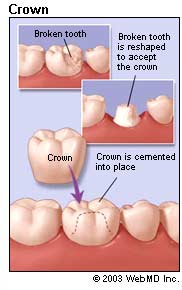
How to treat a Tooth with an Infected Old Crown

© Santa Fe Dental Associates

More people are keeping are keeping their teeth longer and are expecting faulty teeth to be repaired rather than pulled out. Dental crowning is one of the various ways you can restore your tooth appearance and it can last for many years to come. However there can be times whereby the old crown can get infected and create problems in the mouth.

What is a dental crown?

A dental crown is made from an artificial material to cover a broken or decayed tooth. Crowning or “capping” is a dental procedure which involves reducing the surface of the tooth and replacing the surface with a crown. Continue reading

How to Use Tea Tree Oil for Dental Health

© J.Garcia/photocuisine/Corbis

If you clean your teeth properly and follow nutritional eating habits, you should have healthy gums and strong teeth into your elder years. There are many ways to keep your mouth healthy and one natural remedy is using tea tree oil.

Tea tree oil, also called melaleuca oil, is taken from the leaves of Melaleuca alternifolia, a plant native to Australia. It is a well-known natural disinfectant and has been used for years in the medical and dental professions as an effective antiseptic that is active against many bacteria, virus and fungi, including some that are resistant to antibiotics. However, it is not as effective as oral antibiotics in some conditions. Continue reading

How to make a Herbal Gargle to Cure Gingivitis

© Collaborative Health Blog

Gingivitis, which means inflammation of the gums, is perhaps the most common human disease. Usually related to bacterial biofilm on the tooth surface, gingivitis of plaque origin is a preventable and curable periodontal disease.

Gingivitis treatment can be by mechanical removal of the source of irritation to the gums (for example scaling and toothbrushing) or by chemotherapeutic means (for example mouthwash). Mouthwashes like over-the-counter products with essential oils, such as Listerine, or dentist prescribed chlorhexidine mouthrinses may help in keeping our mouths clean but some may prefer a natural cure for gingivitis. Continue reading

Important Vitamins and Minerals for Dental Health

One of the very important and essential factors to good oral health is the intake of proper nutrition and diet. Nutritional problems can manifests when there is inadequate dietary intake of a nutrient, which can affect our entire body including our dental health. Continue reading

Which Vitamins are essential to cure Gingivitis and reverse its damage

Vitamins and minerals play an important role in our growth and development. If any of the vitamins are deficient, we may develop a deficiency disease which might cause permanent harm to our bodies.  Besides providing essential nutrients to maintain healthy cells in our bodies, vitamins may also be used to prevent or, to some extent, reverse the damages cause by gingivitis. Continue reading

How to Clean a Temporary Tooth Crown?

© Orangevale Dentistry

Crowning or “capping” is a dental procedure which involves reducing the entire surface of the tooth and replacing the surface with an artificial material. During the crown procedure, there will be a stage whereby you will be given a temporary tooth crown to wear while waiting for the actual crown to be made. Continue reading

Does Teething Cause Fevers in Children?

© http://www.shopaustralia.asia

One of the most common mistakes parents (and grandparents) make is to blame teething for everything, including sleep problems. Fever, irritability, diarrhea and fits are some of the many conditions that are associated with teething in children but how far are they true? First of all, let us clarify the basics of the ‘debut’ of baby teeth. Continue reading