Category Archives: Oral Care

Two sets of teeth in our lifetime

We have two sets of teeth in our lifetime.

The first set of our teeth is known as deciduous/primary/milk/baby/temporary teeth. There are a total of 20 teeth in the oral cavity/mouth.
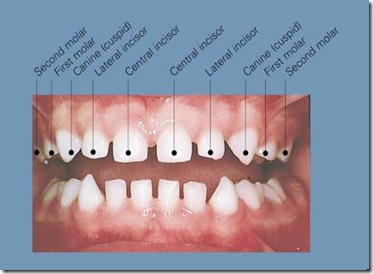
Deciduous Teeth

On the upper jaw, there are 2 central incisors, 2 lateral incisors, 2 canines and 4 molars making it a total of 10 teeth. Same goes for the lower jaw making it a grand total of 20 teeth altogether. Continue reading

Preventing Dental Cavities by Avoiding Sweets

© methodsofhealing.com

Sweets are a bane to our teeth. Not only do they cause cavities in our mouth, they could also be detrimental to our health if consumed in large amounts.  Teeth cavities (also known as dental caries in dental terms) is a common plaque-dependent bacterial infection that is strongly affected by diet. Continue reading

Pros and Cons of Different Dental Fillings

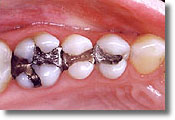
Dental restorations are placed to restore the function, anatomy and integrity of tooth structure which can be lost due to various reasons such as dental caries, trauma and etc. They can be broadly classified into two categories: direct and indirect restorations. Direct filling materials are used for chair side restorations where as indirect restorations such as crowns, bridges, inlays are fabricated outside the patient’s mouth. Before we venture into the pros and cons of different types of restorative materials, let me explain to you the requirements of an ideal dental filling material. Continue reading

Benefits of Dental Tourism

(Phuket) Dental tourism provides monetary savings, opportunity and convenience to travel to an exotic destination

Dental Tourism means traveling abroad for affordable dental care, dental treatment, dental surgery or dental procedures. These treatments generally are expensive in one’s own country. Dental tourism is gaining momentum and popularity as more and more people realize that the benefit of dental tourism besides monetary savings also provides for the possibility, opportunity and convenience to travel to an exotic destination. Dental care ordeal in the U.S. is causing many U.S. insurers, employers and dental insurance agents to take creative and innovate ways to reduce dental care costs whereby the U.S. Employers and Insurance Carriers are saving approximately 90% of the cost of their dental care expenses and hence find it extremely beneficial in taking up dental tourism. Continue reading

Is it normal to clench my teeth frequently?


www.nativeremedies.com

 If you do clench/grind your teeth frequently during night or day, you could be having bruxism. Bruxism is the habitual grinding or clenching oh the teeth during day or night, awake or sleeping. The incidence of bruxism has been variously reported as between 5% to 20 %.

Bruxism is divided into 2 types :

a) Day Time Bruxism also known as Diurnal Bruxism. Continue reading

Home Remedies for Wisdom Teeth Pain

Our wisdom teeth normally erupt between the ages of 18 to 25. They can give you certain amount of pain especially when they are infected or impacted. I would suggest that you should consult your dental surgeon if you are facing severe wisdom tooth pain. In the meantime, here are some home remedies that you can try out to ease your wisdom tooth pain.

  Continue reading

What Are Magnetic Dentures?

Introduction

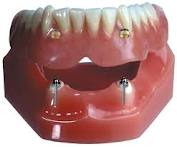
An overdenture is a partial or complete denture that are supported by one or more remaining natural teeth or implants; these supporting teeth or implants are called “abutments”. The overdenture may be attached to the abutments by 2 means: mechanical (ball and bar attachments) and magnetic attachment. Overdentures with magnetic attachments are called “Magnetic dentures“. Magnets have become very popular as retainers since the 1950’s. According to The Times, in 1957, a Cornell University Medical College professor developed a denture that was held in place by embedding powerful magnets in the patients jaw bone. The magnets were made from aluminum–nickle–cobalt (AlNiCo) alloys. However, this means of achieving retention had limited success, as they were associated with a few problems:

An overdenture

Continue reading

How to Avoid a Dental Scam

A surprising number of dental patients have questioned the billing procedures and diagnoses of their dentists. These comments are especially hard to sort out for a few reasons. For one, nobody likes going to the dentist, so it’s easy to come away with negative feelings. As well, many college students may be handling their dental insurance for the first time and may be unaware of how it works. Nonetheless, if any sort of fraud is occuring, it benefits everyone (everyone with teeth, and everyone who pays insurance premiums) to root it out. Continue reading

Hard Vs. Soft Denture Reline

Denture fitting is so crucial to comfortable use that a slight misalignment can create many far-reaching problems in your mouth. Due to the nature of gums, dentures need adjustments from time to time to properly fit. Gums and jawbone shrink with time as part of the natural aging process.  Dentures that may have fit perfectly at first can become unsuitable for chewing as they loosen and slide around. Two types of adjustments are available: hard reline and soft reline. Both types of relines can either be performed in office or by using a do-it-yourself denture reline kit. Continue reading

Foods for Good Teeth and Gums Part 2

© eggnutritioncenter.org

Some individuals, with a particular behavior, medical problem or relevant biological factor are of particular risk to cavities because of dietary factors.

Who Needs Diet Guidance Cavities Prevention

Dietary education and guidance are important for the prevention and control of tooth decay. Since tooth decay is a multifactorial disease the relationship is not simple. It cannot be said that all in a particular group will have problems with cavities but should be taken note by dental professionals. Continue reading