Author Archives: oileng

Wisdom Tooth Pain (Pericoronitis)

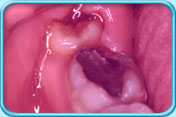
Pericoronitis © Tooth Club

Pericoronitis © Tooth Club

Ever experienced pain in the wisdom teeth area? Wisdom tooth pain or specifically known as pericoronitis, is the inflammation of the flaps of gum tissue covering a partially erupted tooth (operculum) associated particularly with the third molars (wisdom teeth).  Wisdom tooth pericoronitis may be acute (rapid onset) or chronic (of long duration) in nature. Continue reading

How to Prevent Salivary Gland Cancer

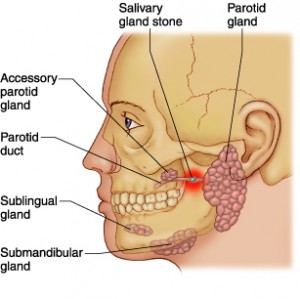
The major salivary glands © Reed Group

The major salivary glands © Reed Group

Salivary glands are glands found in the mouth that makes saliva. The glands can be classified into two groups – major and minor salivary glands. Major salivary glands consist of three paired glands – the parotid, submandibular and sublingual glands while the minor ones are countless small glands located throughout the mouth. Saliva is essential for the normal functioning and health of the mouth.  Disorder of salivary glands function can lead to oral disease, for example tooth decay and gum disease.

The most common cause of a salivary gland lump is mumps, which usually affects children and typically causes painful swellings on both sides of the face. However there are many other causes of swelling in the salivary glands, for example salivary gland infection, salivary gland cancer, systemic diseases and drugs. Continue reading

How to Test for Syphilis

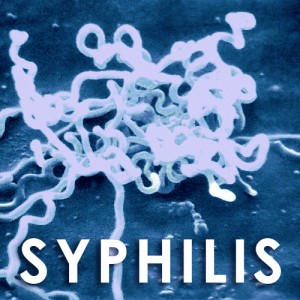
© Columbus Public Health

© Columbus Public Health

Syphilis is a serious sexually transmitted disease caused by spirochetal bacterium Treponema pallidum that can cause damage to the heart or nerves and unborn baby. The incidence of syphilis, which can be fatal, is on the rise and it can present as a irregular severe form of HIV infection. Continue reading

Saliva Test Can Predict Tooth Decay and Drugs

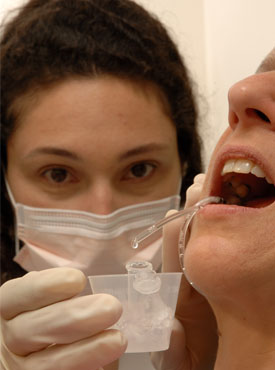
Saliva collection © NIDCR

Saliva collection © NIDCR

The most important of the natural defenses against tooth decay is saliva. Saliva, the fluid that is normally present in the mouth, is produced by the salivary glands located around the mouth. A normal healthy individual can produce up to 1.5 liters of saliva per day. If salivary flow is disturbed, tooth decay can progress very rapidly. The contents of saliva can be analyzed using a  saliva test. Continue reading

What to Know About Cleft Lip and Cleft Palate

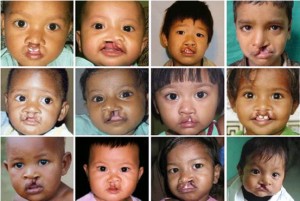
© World Love and Peace Foundation

© World Love and Peace Foundation

Cleft lip and cleft palate are one of the common birth defects found in the United States and around the world. A cleft is an abnormal space or gap in the upper lip or palate that is present at birth. Cleft lip is also known as harelip to some.  The finding of a cleft deformity in an affected baby can be a considerable shock to the parents but be rest assured for the defects are correctable and the child’s future need not be adversely affected. However parents have to be mentally prepared for a long course of therapy to correct the cleft disfigurement. Continue reading

How to Make Your Own Mouthwash Part2

Continued from Part1

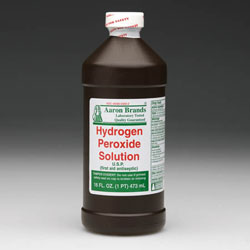
3% hydrogen peroxide

3% hydrogen peroxide

Hydrogen Peroxide Mouthwash

Hydrogen peroxide has been used as an antibacterial agent for many years because of its oxidizing properties. The chemical is a weak acid and a strong bleaching agent therefore it is not unusual to find hydrogen peroxide listed in the ingredients of some toothpastes and dentifrices. Even dentists use high concentration hydrogen peroxide in professional teeth whitening procedures to remove stubborn stains. Hydrogen peroxide mouthwash can help reduce gum bleeding and clean mouth wounds by killing bacteria and removing dead tissues. Continue reading

How to Make Your Own Mouthwash Part1

bca66903So you feel that buying a mouthwash could pinch your wallet but yet you can’t help but be concerned about the health of your mouth?

Commercial mouthwashes sold over the counter can be costly especially therapeutic mouthwashes that help reduce the amount of bacteria in the mouth.

However worry naught as there are several homemade remedies available to make your own mouthwash when you are on a tight budget. Homemade mouthwash has mild antibacterial properties that can provide relief for mouth sores and reduce bad breath. Continue reading

Does Mouth Wash really work?

© Dental Health Magazine

© Dental Health Magazine

Your dentist may be advising you to use a mouthwash whenever you go for a dental visit but frankly is it necessary to use one?

Mouthwashes or mouth rinses have been around for ages and are most widely used by consumers. The traditional purpose for mouthwash has been to keep bad breath away but now there are therapeutic mouth rinses available that help reduce the amount of bacteria in the mouth. Continue reading

Avoiding Trench Mouth

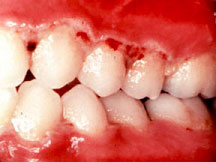
Acute necrotizing gingivitis © Too Smile Dentals

Acute necrotizing gingivitis © Too Smile Dentals

Trench mouth disease, or acute necrotizing ulcerative gingivitis (ANUG) in medical term, is a condition that affects the gums which as its name implies; destroy gum tissues, create sores and inflame the gums. When irreversible destruction of the periodontal tissues has occurred, it will be called as acute necrotizing ulcerative periodontitis (ANUP). The condition is best seen in patients with HIV infection and AIDS and it has been around since World War I (for many of the soldiers in the trenches were affected by it). It used to be called by many names like Vincent’s gingivitis, Vincent’s gingivostomatitis and ulceromembraneous gingivitis.

Continue reading

10 Ways to Stop Bad Breath (Halitosis)

Bad Breath © mercola.com

Bad Breath © mercola.com

Bad breath, or also known as halitosis, is a common complaint among adults and you may have experienced it sometime in your life. In most cases, having bad breath is not serious but it can significantly affect your personal and social life by causing embarrassment and self-consciousness.  However having bad breath can also be a sign of a more serious underlying problem. Continue reading