Author Archives: oileng

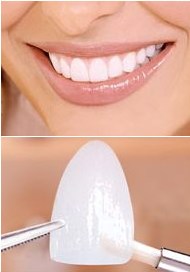
Are Dental Veneers for You?

© WeddingSmiles.co.za

Having deep stains, mottled or pitted and discolored teeth can be an embarrassment to some and these stains may need to be restored by a dentist with dental bonding procedures such as composite bonding, veneers or full crowns to provide a more aesthetic appearance. Although not as conservative as bleaching, the procedures may assist in achieving a more wholesome facial image. Continue reading

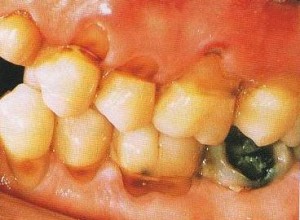
Are You Brushing Your Teeth Away?

© Australian Denture Care Centre

© Australian Denture Care Centre

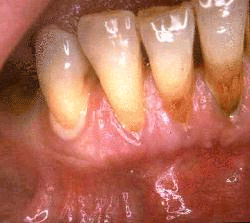
Toothbrush abrasion is a type of dental abrasion which is commonly seen in the mouth. It is most frequently on the junction where the teeth meet the gums (gum line or gum margins) and the root surfaces of teeth.

Toothbrush abrasion is the result of traumatic tooth brushing in a horizontal scrubbing movement rather than a vertical direction and appears as notches worn into the teeth near the gum margins which can be made worse by abrasive dentifrices. Changes can be detected anywhere in the mouth, although the upper teeth are usually more involved than the lower teeth. Continue reading

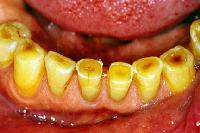
How Your Daily Habits Can Hurt Your Teeth

Tooth wear © Medscape

Tooth wear © Medscape

Damage to your teeth can be caused by any process that results in loss of integrity of the tooth surface. Tooth decay is a bacteria-caused form of tooth damage. The other forms of tooth damage are the result of mechanical or chemical assault to the tooth structure which may be brought about by your daily habits for example grinding in your sleep and tooth brushing. Continue reading

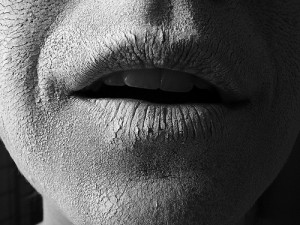
How Does Dry Mouth Causes Fatigue

© Katie Tegtmeyer, Flickr.com

© Katie Tegtmeyer, Flickr.com

Saliva plays an important role in our daily lives. Saliva helps us swallow, talk, taste and protect our mouth and teeth. When there is a decrease in the amount of saliva in our mouth it can lead to dry mouth fatigue or also known as xerostomia. Continue reading

Changes in Your Mouth During Pregnancy

© Intellectual Reserve, Inc.

© Intellectual Reserve, Inc.

The female body undergoes many changes during pregnancy that include changes within the mouth. Hormonal imbalances affect the mouth by changing the bacteria already present in the mouth and altering the types of bacteria that grow in plaque. Below are the few conditions you may encounter during your pregnancy period: Continue reading

Got A Hairy Tongue?

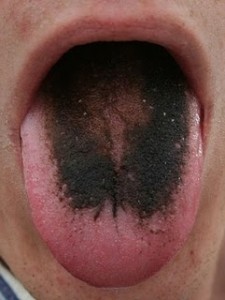
Black hairy tongue

Black hairy tongue

Has your tongue been feeling hairy and discolored recently? Have no worries for hairy tongue syndrome or black hairy tongue is usually a temporary, harmless problem.

What is hairy tongue disease?

Hairy tongue disease is a condition in which there is elongation of the many small nodules (filiform papillae) on the surface of the tongue resembling stubby hairs and there is lack of normal shedding of the tongue cells. The papillae can sometimes grow up to 1 cm in length and can become stained, usually black from coffee, tea, cokes or overgrowth of pigment-producing bacteria and fungi. The debris and organisms collected on the tongue can also result in yellow and brown discoloration.

Causes of hairy tongue

The exact cause for hairy tongue disease is unknown but hairy tongue is usually seen in heavy smokers and in those following antibiotic therapy which causes change in normal bacteria content in the mouth. Other potential factors that may contribute to hairy tongue include:

Continue reading

What is Sialadenitis?

Salivery glands © morefocus group

Salivery glands © morefocus group

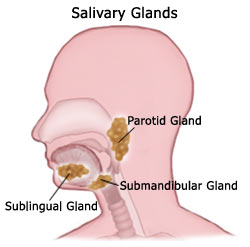
Sialadenitis is the inflammation of the salivary glands, the glands that produce saliva in our mouths. Saliva is essential for the normal functioning and health of the mouth.  Disorder of salivary glands function can lead to oral disease, for example tooth decay and gum disease. Sialadenitis is usually caused by bacterial or viral infection but the disorder can occasionally be due to other causes, such as trauma, radiation and allergic reactions. Continue reading

Apical Periodontitis: Symptoms and Treatment

Periodontitis © Enom

Periodontitis © Enom

Periradicular, periapical or apical periodontitis can be defined as inflammation of all the supporting structures of the teeth in the area surrounding the apex of the tooth.  Periapical inflammation is usually due to tooth infection which characteristically causes pain of tooth in its socket. It is often accompanied by destruction of bone and occasionally, the root apex of tooth. However the periapical tissue has the ability to heal if the cause of inflammation is removed. Periapical periodontitis can be divided into acute and chronic apical periodontitis. Continue reading

Chronic Adult Periodontitis: Treatment and Prevention

Continued from the previous part

Periodontitis © Rolf Attstrom et al

Periodontitis © Rolf Attstrom et al

Management of chronic periodontitis

Treating periodontitis can be by the means of:

1) Control of bacterial plaque – The home remedy for periodontitis is a good oral hygiene regimen. Effective plaque removal is important for the success of controlling periodontitis. Extra care in tooth brushing and the use of interdental cleaning aids for example floss and small brushes to clean in between the teeth are required to resolve gingivitis. Your dentist may advise you to use 0.12% chlorhexidine mouth rinses for chemical plaque control. You can also make your own mouthwash using salt, baking soda or essential oils to reduce the amount of bacteria in your mouth. Local factors that disrupt proper plaque control should be removed, altered or controlled. Continue reading

Chronic Adult Periodontitis: Cause and Symptoms

Advanced Periodontitis © PIC

Advanced Periodontitis © PIC

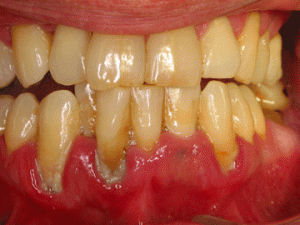
Periodontitis means inflammation of the supporting tissues of the teeth or also known as the periodontium. Periodontal disease can generally be divided into chronic, aggressive and necrotizing periodontal disease.

Chronic periodontitis can appear at any age but is most prevalent in adults. The disease is characterized by inflammation of the supporting structures of the teeth and loss of gum attachment due to destruction of the periodontal tissues. Prevalence and severity of the disease increase with age. The levels of chronic periodontitis can be classified as: Continue reading