Author Archives: oileng

Dental Office Emergency Supply Requirements

© camouflage-store.com

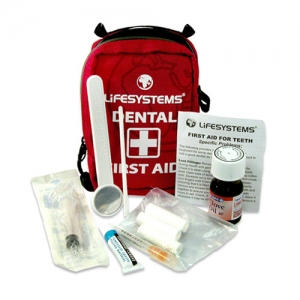
In the case of a medical emergency in the dental office, it is essential that all members of the dental team are competent in basic life support while waiting for emergency crews to arrive. An emergency supply kit of drugs must be available in every dental office and should contain only a limited number of drugs with which the dental practitioner is familiar. Inappropriate use could worsen the patient’s condition. A medical emergency kit could be useful in a patient, staff or visitor medical crisis; or following a natural or man-made disaster. Continue reading

Basic Dental Instruments

© ct.gov

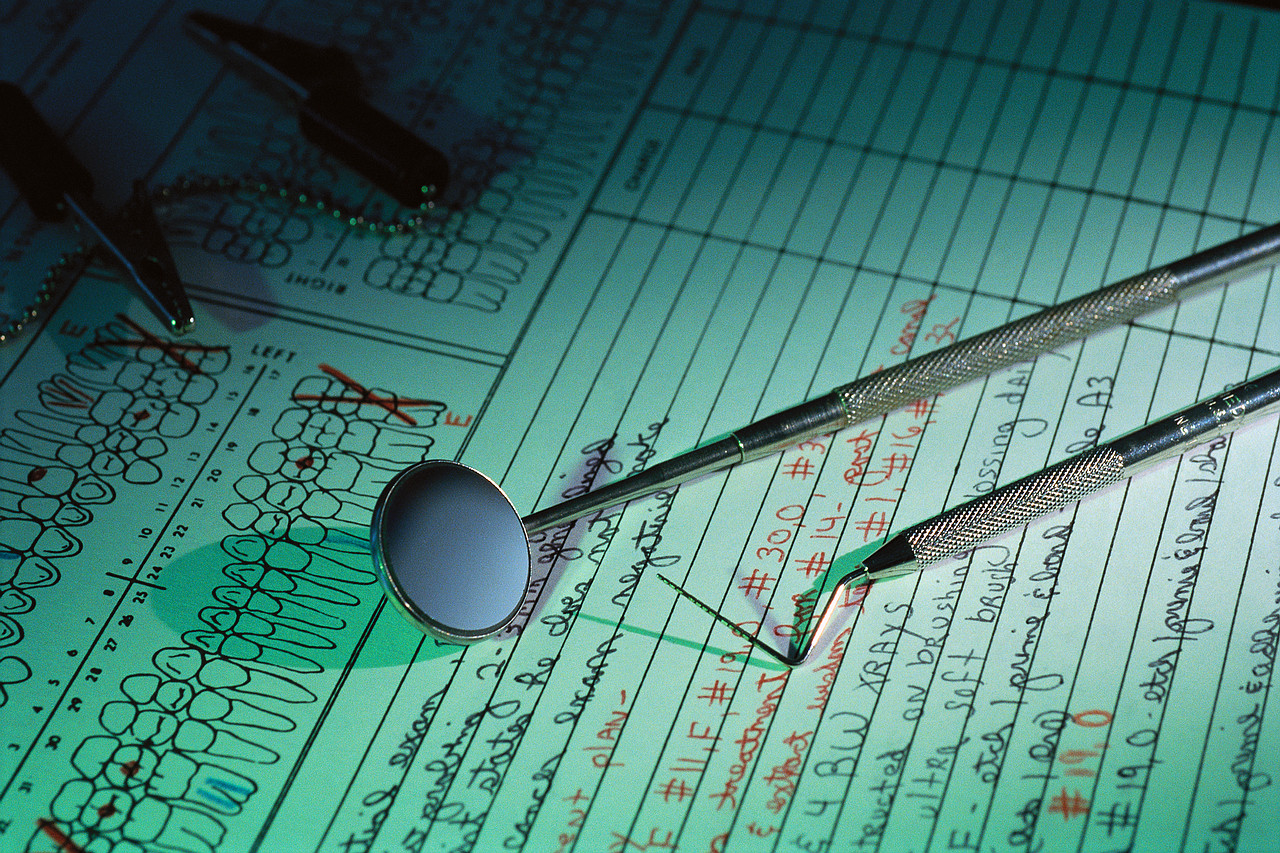
Whenever you visit a dentist, you tend to notice the many different dental tools that are laid down beside the chair. A dental professional uses a variety of dental equipment for examining, cleaning, cutting and restoring teeth. Not many are familiar with these instruments therefore here is a quick guide on the basic dental instruments available in a dental office and their usage. Continue reading

Preventing Dental Cavities with Sugar Substitutes

© fireflyblog.org

To most people the term sugar refers to the common household foodstuff table sugar (sucrose). Yet sucrose is only one of many naturally occurring sugars used in the human diet. Technically the term sugar applies to two classifications of carbohydrates. Free-form monosaccharides (simple sugars) include the more common glucose, fructose, and galactose. Disaccharides (two simple sugar molecules linked together) include the most common sucrose, lactose, and maltose. Naturally occurring sugars are available in fruits, vegetables, grains and dairy foods. Sweeteners are added sugars that are used as ingredients to both satisfy our taste and in some cases provide added energy. Continue reading

Preventing Dental Cavities by Avoiding Sweets

© methodsofhealing.com

Sweets are a bane to our teeth. Not only do they cause cavities in our mouth, they could also be detrimental to our health if consumed in large amounts.  Teeth cavities (also known as dental caries in dental terms) is a common plaque-dependent bacterial infection that is strongly affected by diet. Continue reading

Foods for Good Teeth and Gums Part 2

© eggnutritioncenter.org

Some individuals, with a particular behavior, medical problem or relevant biological factor are of particular risk to cavities because of dietary factors.

Who Needs Diet Guidance Cavities Prevention

Dietary education and guidance are important for the prevention and control of tooth decay. Since tooth decay is a multifactorial disease the relationship is not simple. It cannot be said that all in a particular group will have problems with cavities but should be taken note by dental professionals. Continue reading

Foods for Good Teeth and Gums Part 1

Diet, nutrition and oral health are closely linked. Nutrition is an essential for the growth, development, and maintenance of structures and tissues in the mouth. During periods of rapid cell growth, there can be an irreversible effect on the developing oral tissues if any nutrition deficiency is present. Prior to tooth eruption in the mouth, nutritional status can influence tooth enamel maturation and chemical composition as well as tooth shape and size. Early malnutrition increases a child’s risk to tooth decay in the baby teeth.Throughout life, nutritional deficiencies or toxicities can affect host resistance, healing, oral function, and oral-tissue integrity. Continue reading

How to Clean and Reduce Plaque With Saliva

© causessymptomsandtreatments.com

Saliva is a complex fluid found in the mouth consisting of a mixture of secretions from the major salivary glands and the minor glands of the tissues in the mouth. Majority of saliva is produced by the three pairs of major glands – the parotid, submandibular, and sublingual glands. The rest of it is produced by thousands of minor salivary glands distributed throughout the mouth and throat. Continue reading

How to Use an Electric Toothbrush to Brush Teeth

© worldental.org

An electric toothbrush is a toothbrush usually powered by a battery to move the brush head. Electric toothbrushes can be battery-operated or rechargeable, and can be of rotary or sonic movements. Most powered toothbrush manufacturers do not recommend a specific brushing method; however, the electric brushes should be used in a specified manner. Continue reading

Toothbrush Techniques

© dourofotos.com

Many toothbrushing methods have been introduced during the last 50 years and most are identified by an individual’s name, such as Bass, Stillman, Charters, or by a term indicating a primary action to be followed, such as roll or scrub. No one method shows consistently better results in removing plaque than scrubbing. Most people brushing with an instructed professional method are not aware that they are brushing in a specific way. Therefore it may be more effective for individuals to improve their own method. Continue reading

Toothbrushing Basics

© Be Yourself Beautiful

Various methods of tooth brushing have been recommended and classified to the type of motion performed by the brush. In reality it does not matter exactly how a toothbrush is used, as long as plaque is effectively removed without trauma to the gums. Where plaque still persists, the dental professional should teach effective oral hygiene. The recommended toothbrushing method will depend upon the dexterity of the individual as well as the position of the teeth. The vibratory Bass technique is the most useful and will be described in detail. Continue reading