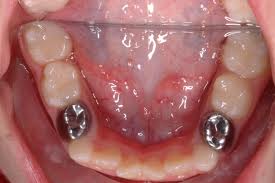
stainless steel crowns Crowns for childrenIntoduction to crowns for children

Just as we have crowns in adult dentition, so we have crowns for children. These crowns differ from those in adults in many ways, as will be discussed in the following sections. When your child has caries in his or her teeth, restorations with fillings such as composite or even amalgam is sufficient for small cavities, but if the cavity has become so large to an extent that normal restorations will be weak and easily fracture, a crown becomes the better option to protect the tooth from further damage. Continue reading


Anxiety

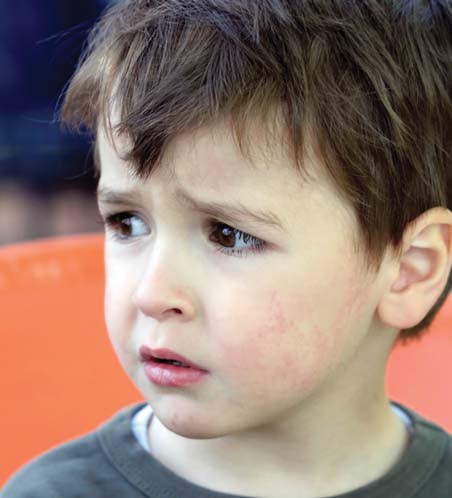
unhappy child 272x300 Anxiety and Phobia in Chidren During Dental Visits
http://montessoritraining.blogspot.com/

 Anxiety is an emotion similar to fear but arising without any objective source of danger

It is a reaction to unknown danger

It is often defined as a state of unpleasant feeling combined with an associated feeling of impending doom or danger from within rather than from without.

It is a learned process being in response to one’s environment. As anxiety depends on the ability to imagine, it develops later than fear.

Continue reading


Kids tend to show their feelings more than adults. Therefore, the dentist and the parents have to work their way out to understand and control the kids feelings and ensure that they are comfortable with all the dental treatments.

Distress or Cry
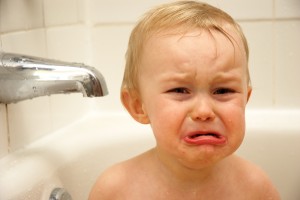
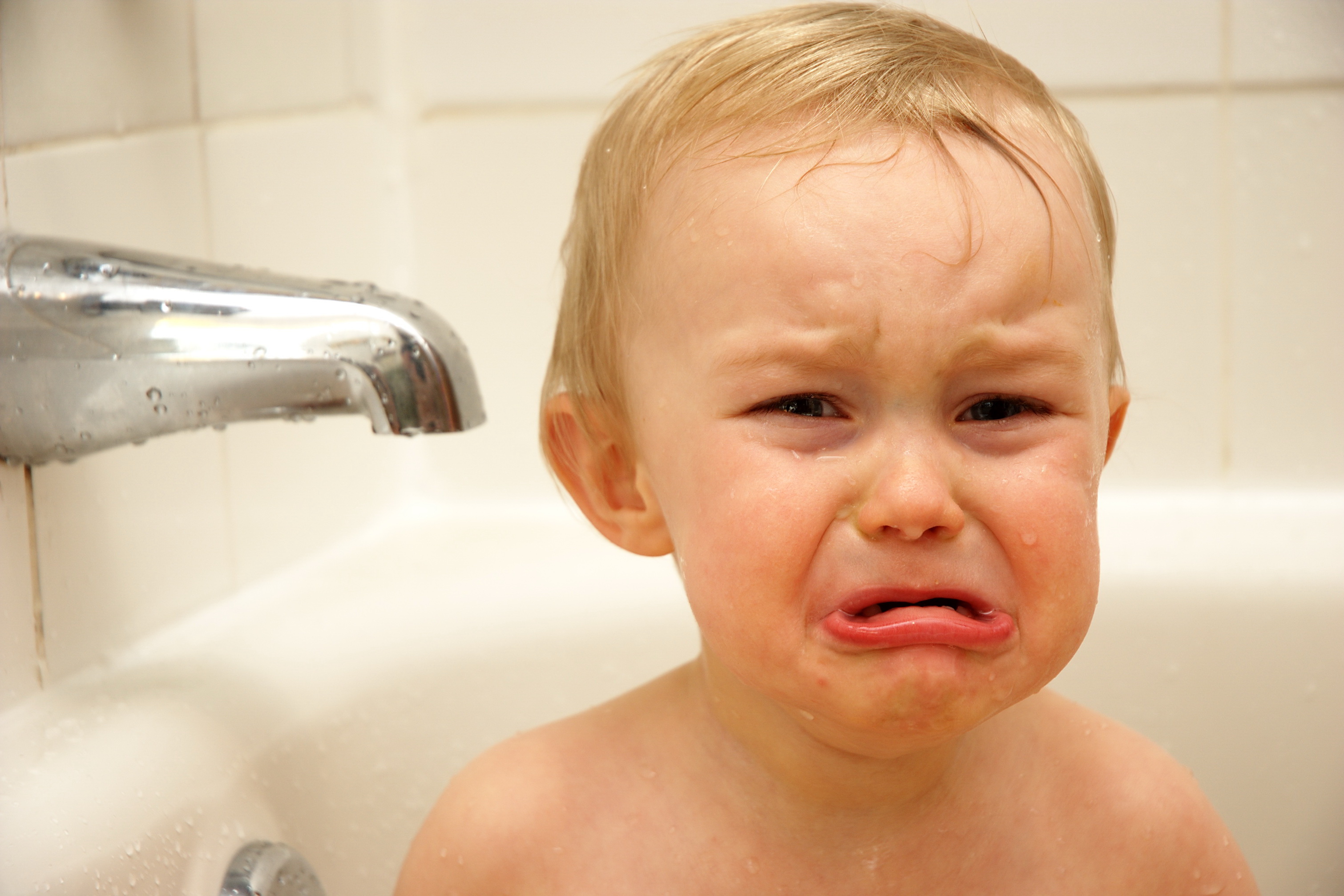
crying baby 300x200 Understand why are your kids crying, angry or even fearful

© woodness.wordpress.com


At birth : Primary emotion present at birth with vigorous body expressions usually due to hunger, colic or other internal cause.

At 6 months : It is greatly replaced by milder expression of fussing or vocalization.

During preschool : It is seen less, only for the reactions of physical pain as he is thwarted by his environment.

During school years : Pressure helps him to outgrow the crying habit which deceases rapidly. After this till 15 years old, crying occurs very seldom.

In young adults : Ultimately it becomes a limited quiet crying in private only for reasons of grief or other intense emotions.

Continue reading


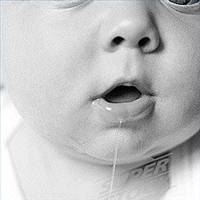
An increased salivary secretion in termed as sialorrhea or ptyalism. 

Mechanisms

  • The secretory innervation of the salivary glands is primarily under the control of the parasympathetic nervous system.

    parasympathetic Increased saliva in your mouth?

    Copyright becomehealthynow.com

  • Stimulation of the parasympathetic system causes profuse secretion of watery saliva.

    stop drooling during sleep 200X200 Increased saliva in your mouth?

    © askpanda.eu

  • Some person are unable to swallow their saliva fast enough to prevent drooling

Continue reading


4. Bruxism

bruxism 150x150 Top 5 Children Habits You Need to Know About (Part 2)

Bruxism or Grinding can be very harmful to your kids

It is a habitual grinding of teeth when the child is not chewing or swallowing. It is divided into Daytime Bruxism (Diurnal) or Night -time Bruxism (Nocturnal). Daytime Bruxism can be conscious or subsconscious grinding along with parafunctional habits and it is usually silent. On the other hand, Night-time Bruxism is categorized as subconscious grinding in a rhythmic pattern. Bruxism happens as a result of faulty fillings, improper teeth occlusion, genetic causes, neurological disturbances, occupational factors, over anxious or stressed children.


What do you notice?

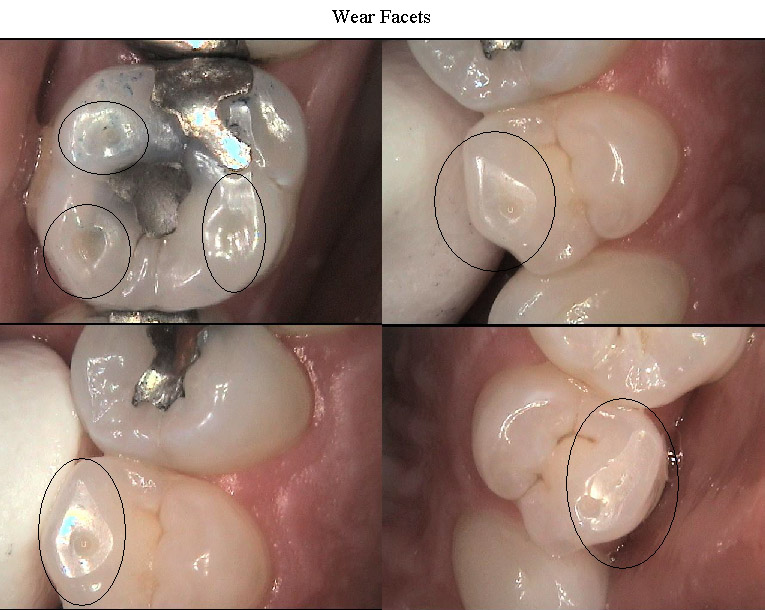
From the tooth surfaces, you will observe your child’s teeth are very much worn off. This feature is called atypical wear facet, whereby the worn area are shiny, uneven with sharp edges on the upper and lower front teeth. Fillings may fracture or tooth may chip off as a result of grinding. Teeth will become mobile and very sensitive to cold and hot food. Besides that, your child may complain of muscular tenderness and fatigue around the cheek on rising in the morning. Jaw movements restricted and difficult in opening mouth for a long time.


wear facets 300x239 Top 5 Children Habits You Need to Know About (Part 2)

Shiny, uneven sharp edges of wear facets. Credits to shingletonsmiles.com


Continue reading


baby 150x150 Top 5 Children Habits You Need to Know About (Part 1)

Oral habits in children are a major concern for the dentists and parents. A baby’s mouth acts as a primary device for exploring the environment and his or her lips and tongues are stimulated by instinctive sucking. By random movements, babies discover their hands and toes and use these to continue the stimulation of their mouth and related structures. Normal habits grow out of these in the early developmental stages. However, some babies do not. They continued to retain these habits until they are toddlers and it created further dental problems.

Continue reading