Category Archives: Oral Care

Ideal toothbrush and tooth brushing methods part 1

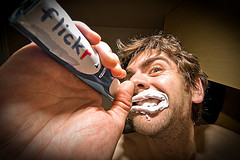
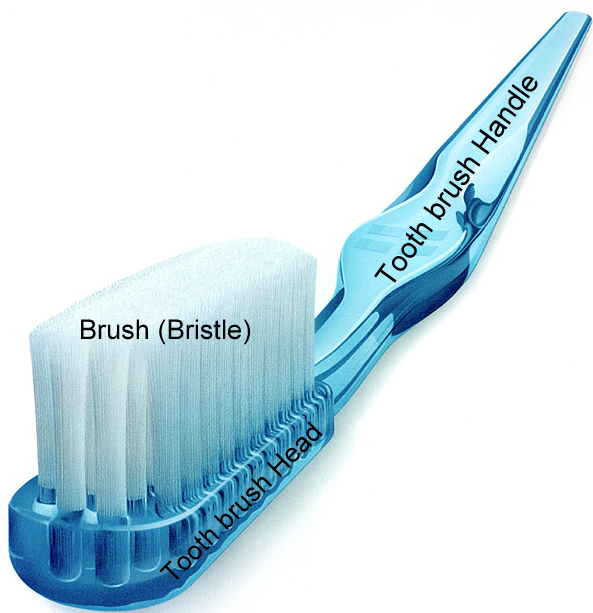
toothbrush

Did you know that the world’s first toothbrush was a just a stick about the size of a pencil. One end was chewed into thus becoming softened and brush-like while the opposite end was pointed and used as a toothpick to clean food and debris from between the teeth. The twigs used were carefully chosen from aromatic trees that had the ability to clean and freshen the mouth. The earliest literature showing the use of these twigs is found in Chinese literature at around 1600 BC.

It has now evolved into the toothbrushes we see today. Nowadays toothbrushes can be broadly categorized into manual toothbrushes and electronic toothbrushes.
Continue reading

Got A Hairy Tongue?

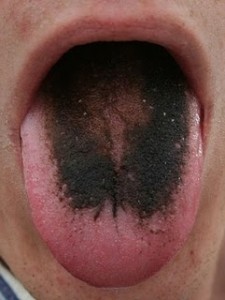
Black hairy tongue

Black hairy tongue

Has your tongue been feeling hairy and discolored recently? Have no worries for hairy tongue syndrome or black hairy tongue is usually a temporary, harmless problem.

What is hairy tongue disease?

Hairy tongue disease is a condition in which there is elongation of the many small nodules (filiform papillae) on the surface of the tongue resembling stubby hairs and there is lack of normal shedding of the tongue cells. The papillae can sometimes grow up to 1 cm in length and can become stained, usually black from coffee, tea, cokes or overgrowth of pigment-producing bacteria and fungi. The debris and organisms collected on the tongue can also result in yellow and brown discoloration.

Causes of hairy tongue

The exact cause for hairy tongue disease is unknown but hairy tongue is usually seen in heavy smokers and in those following antibiotic therapy which causes change in normal bacteria content in the mouth. Other potential factors that may contribute to hairy tongue include:

Continue reading

What Dental Corrective Surgery Could Do For You Part 2

Continue from first part of Dental Corrective Surgery here

Dental Veneer

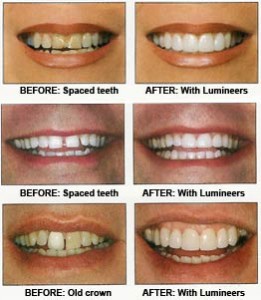
Before and after of dental veneer treatment @ websiteoptimization.com

Before and after of dental veneer treatment @ websiteoptimization.com

Dental veneers are thin porcelain or resin composite material custom made to be bonded onto the surfaces  of your teeth to change their color, size, alignment, shape and length.

Procedure

The front part of the tooth has to be trimmed down a little to allow the veneer to be bonded. Porcelain veneer is more aesthetic than resin composite veneer as it is stain resistant and it mimics actual tooth due to its light reflection qualities.

Who needs it?

People with

  • Uneven discolored teeth
  • Chipped or fractured teeth
  • Crooked teeth
  • Heavily filled teeth

Cost

Generally, a dental veneer costs $500 to $1500 depending on areas, materials used and complexity of cases.

Caveat

Veneers are not as strong as dental crowns. You should not bite hard objects with your veneered teeth. If the porcelain veneer cracks it could only be replaced and not repaired. The color of the porcelain veneer never change, so if you plan to do teeth whitening please do so before having a dental veneer.

Continue reading

Toothbrushes for Braces and Orthodontics

Orthodontic toothbrush

Orthodontic toothbrush

People with orthodontic braces require special and more detailed oral hygiene care as extra material or appliances fitted in the mouth acts as food and plaque trap. Although orthodontic appliances are extremely useful in straightening teeth, having braces will indefinitely make it harder to maintain standard oral hygiene care practices as extra effort is required to clean around the brackets and wire. Improper removal of plaque and food debris or poor oral hygiene care practices can make some people particularly susceptible to dental problems such as gingivitis and dental caries. Thus is it essential to use proper plaque removing agent such as a good orthodontic toothbrush to prevent plaque stagnation around tooth.

Continue reading

Tooth dilaceration

Tooth dilaceration

Tooth dilaceration

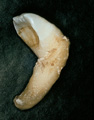
Tooth dilaceration is a developmental problem which involves the malformation of tooth either at the crown or root portion. This results in altered morphology or shape of the tooth, commonly manifest as extreme bends or curves in an otherwise straight tooth.

Cause of tooth dilaceration

The usual cause behind tooth dilaceration is trauma to the tooth while it is still forming. This causes a distortion in position of the forming tooth, resulting in the remaining part to form at an angle. The extent and point of dilaceration, whether it affects the crown or the root, is determined by the trauma induced. Continue reading

Suffering from painful canker sore part 1

typWhat is a canker sore

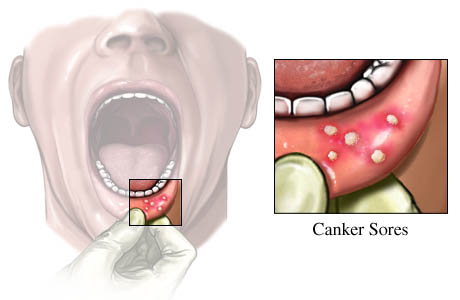
A canker sore mouth is a non traumatic ( not caused by injury to the mouth)  ulceration that affects oral mucosa or skin of the mouth. Another more scientific term for this is an apthous ulcer. This is probably the most common ulcers found in the mouth. The incidence of canker sores range from 20% to 60%, depending on the population studied. Prevalence or higher occurrence rate tends to be higher in professional persons, in those in upper socioeconomic groups and in those who do not smoke. This canker sores are thought to be an immunological disease. Continue reading

Sjogren’s Syndrome

Sjogren's syndrome

Sjogren

Sjogren’s Syndrome Overview

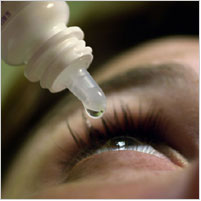
Sjogren’s syndrome is an autoimmune disease named after a Swedish Ophthalmologist, Henrik Sjogren. It is characterized by abnormal production of antibodies against certain body tissues particularly the glands. This would cause inflammation and malfunction of the glands. Sjogren’s syndrome could coexist with connective tissues diseases such as rheumatoid arthritis, systemic lupus erythematosus and scleroderma. In this case it is called secondary Sjogren’s syndrome. Continue reading

Are you suffering from Lichen Planus?

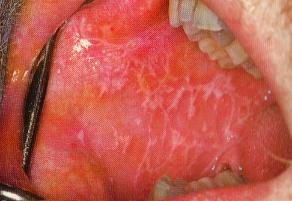
oral lichen planus

oral lichen planus

Definition

Lichen planus is a disorder affecting the skin or in the mouth.70% of patients with skin lesions have oral involvement, but only 10% of patients presenting with oral lesions have involvement .It is more common in women over 30-50 years of age.

Continue reading

Broken Teeth

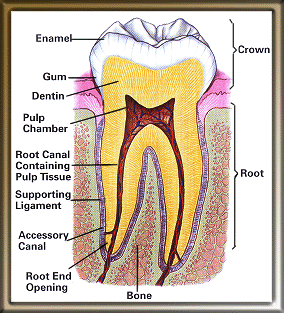
Tooth structure

Tooth structure

Broken Teeth and Fractured Teeth Overview

Our teeth are  very strong. We have an outer layer of enamel covering which can only be sectioned or cut with diamond coated drills. However, over the years due to hard diets or decay of tooth, the tooth structure of enamel becomes weakened. That is when our tooth can chip and have a fractured tooth (cracked tooth)  and also a broken tooth.

Continue reading

What is Sialadenitis?

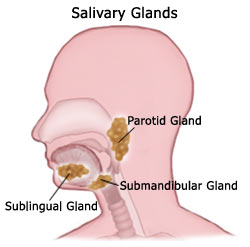
Salivery glands © morefocus group

Salivery glands © morefocus group

Sialadenitis is the inflammation of the salivary glands, the glands that produce saliva in our mouths. Saliva is essential for the normal functioning and health of the mouth.  Disorder of salivary glands function can lead to oral disease, for example tooth decay and gum disease. Sialadenitis is usually caused by bacterial or viral infection but the disorder can occasionally be due to other causes, such as trauma, radiation and allergic reactions. Continue reading