 What is a dry socket?
Dry socket or also known as alveolar osteitis is a common complication occurring after the extraction of a permanent teeth especially the lower wisdom teeth. The term ‘alveolar’ refers to the jawbone that supports teeth while ‘osteitis’ refers to the inflammation of the bone associated with the extraction socket.
The condition has generally been characterized by degraded or delayed healing associated with breakdown or dislodgement of the blood clot in the extraction socket. It is usually accompanied by persistent, radiating pain in and around the extraction site within a few days after extraction that is not easily relieved by pain killers. The premature loss or breakdown of the blood clot is accompanied by exposure of the underlying bone. Continue reading


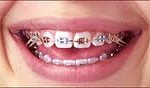 beginning, rubber bands were used in orthodontics to transmit force from the upper arch to the lower. These are termed inter-arch elastics. Dental braces work well with rubber bands as rubber bands help with making sure that a bite can be corrected and the jaw can be put into its right place.
 Sucking
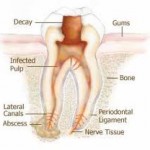 Root canal treatment is the removal of inflamed and/or infected dental pulp tissue from the root canal system, shaping and filling the root canals of a diseased tooth. The key factor in the development of pulpal inflammation and breakdown of the supporting tissues of the tooth (periradicular tissues) is the presence of bacteria. These endodontal infections (infections within teeth) are usually characterized by loss of integrity of the crown, invasion by bacteria, and destruction of enamel, dentine, and eventual pulpal involvement. Dental caries, trauma, tooth surface loss, and microleakage around tooth fillings can lead to endodontal infection. In situations where there has been periradicular breakdown, root canal treatment will result in the return of the health of the periradicular tissues. Ultimately, root canal treatment preserves teeth as functional units within the dental arch.