Continued from Part 1
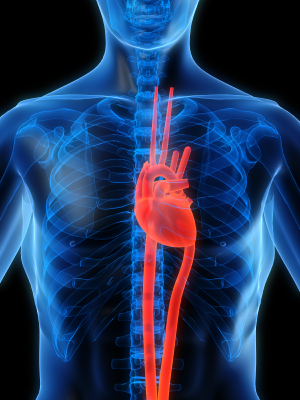
The new guidelines are aimed at individuals who would have the greatest risk of a bad outcome if they developed a heart infection.
Antibiotics cover prior to a dental procedure is advised for individuals with: Continue reading
Continued from Part 1
The new guidelines are aimed at individuals who would have the greatest risk of a bad outcome if they developed a heart infection.
Antibiotics cover prior to a dental procedure is advised for individuals with: Continue reading
The incidence of macroglossia has been reported as 11-60% in persons with Down Syndrome although the presence of true macroglossia has been questioned by some investigators. There is agreement, however, on the presence of a relative macroglossia due to the small palatal space and hypotonic tongue. Continue reading
Prophylaxis is the prevention of an occurrence. In surgery this is usually infection or thromboembolism (Occlusion of a blood vessel by an embolus that has broken away from a blood clot formed within a blood vessel). Prophylaxis used to prevent the occurrence of bacterial infection is quite different from treating an established infection. Continue reading
Midface dysplasia is a cardinal characteristic of persons with Down Syndrome (DS). Nose malformations including a flat broad bridge of the nose has been reported in 59-78% of these individuals. Ear malformations, including “lop” ears, low-set ears and ears with a flat or absent helix have been reported in 54%. Eye malformations are common. Epicanthal folds with slanting almond-shaped eyes (narrow palpebral tissue slanting toward the midline), which was responsible for the term mongoloid, are reported in 78%. Strabismus (cross eyes) is reported in 14-54% and nystagmus (constant involuntary cyclical movement of the eyeballs) and refractive errors are also common. The majority of persons with Down Syndrome exhibit brachycephaly (broad, short head) and lack of supraorbital ridges and hypotelerism (secondary to hypoplasia of the central face) are common findings. Absence of frontal sinuses and absent or reduced maxillary sinuses have been reported. Nasal septum or nasal conchal deviations are often observed which can produce a partially obstructed or narrow air passage and can contribute to the problem of mouth breathing. Continue reading
Amyloidosis is the deposition of amyloid proteins in body tissues leading to tissue damage. Amyloidosis is classified as either primary or secondary. The former results from multiple myelomaor an idiopathic disease, while the latter is a sequela of a chronic or inflammatory disease process. These classifications are based on the type of fibrillar protein deposited. The primary form usually affects the skin, heart, tongue, and GI tract, while the secondary form, although more common, has no cutaneous manifestations. Continue reading
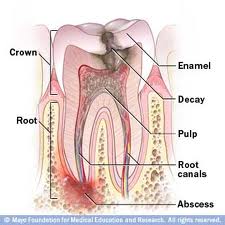
Having a tooth abscess is literally a pain therefore one would not have second thoughts in pulling the miserable tooth out. However tooth extraction may not be the only way out of the pain. Continue reading
In this case, root development (biologic eruption status), tooth position, and physical obstruction (radiographically evident or not) should be evaluated. Continue reading
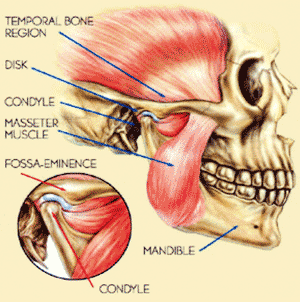
Temporomandibular disorders (TMD) is the term for non-specific diagnosis that represents a group of often painful and/or dysfunctional conditions involving the muscles of mastication or the temporomandibular joint (TMJ) or both. Continue reading
DTE is often seen in the region of the maxillary canines. The maxillary canine develops high in the maxilla and is the only tooth that must descend more than its length to reach its position in the dental arch. When pathologic conditions are ruled out, the etiology of DTE of the canines has been suggested to be multifactorial. Specifically, 3 factors have been proposed for consideration: Continue reading
Other systemic conditions associated with impairment of growth, such as anemia (hypoxic hypoxia, histotoxic hypoxia, and anemic hypoxia) and renal failure, have also been correlated with DTE and other abnormalities in dentofacial development. Continue reading